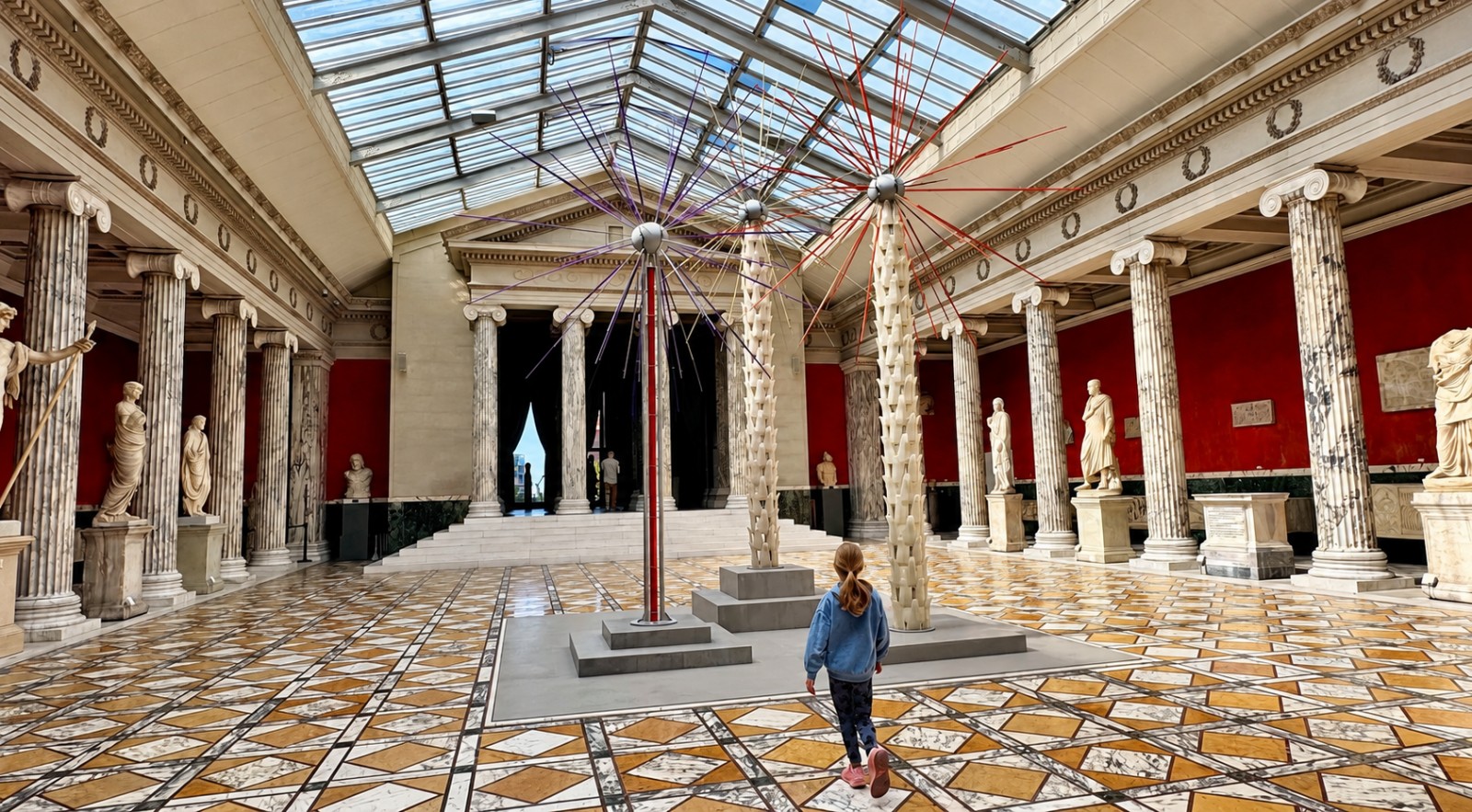
Weeks after one particular trip, my son randomly brought up the subject of a tiny doll’s house we’d seen. The exhibit had used augmented reality (AR) to bring the tiny occupants and their stories to life. Out of nowhere, he was recalling character names, a few historical facts and, most impressively, the core lesson the exhibit was trying to teach: the poignant reality of making do with very little during World War II. At five years old, he had walked past the worn ration books, broken plastic rattles, and haunting photography to something he could connect to in his own way.
Technology in museum and heritage attractions shouldn't just be rolled out because it’s new, trendy or looks cool. The aim is to support and help people of all learning and cognitive levels to connect and learn with either a story, an interaction, and to help others understand the subject within the experience.
Tech That Doesn't Get in Its Own Way
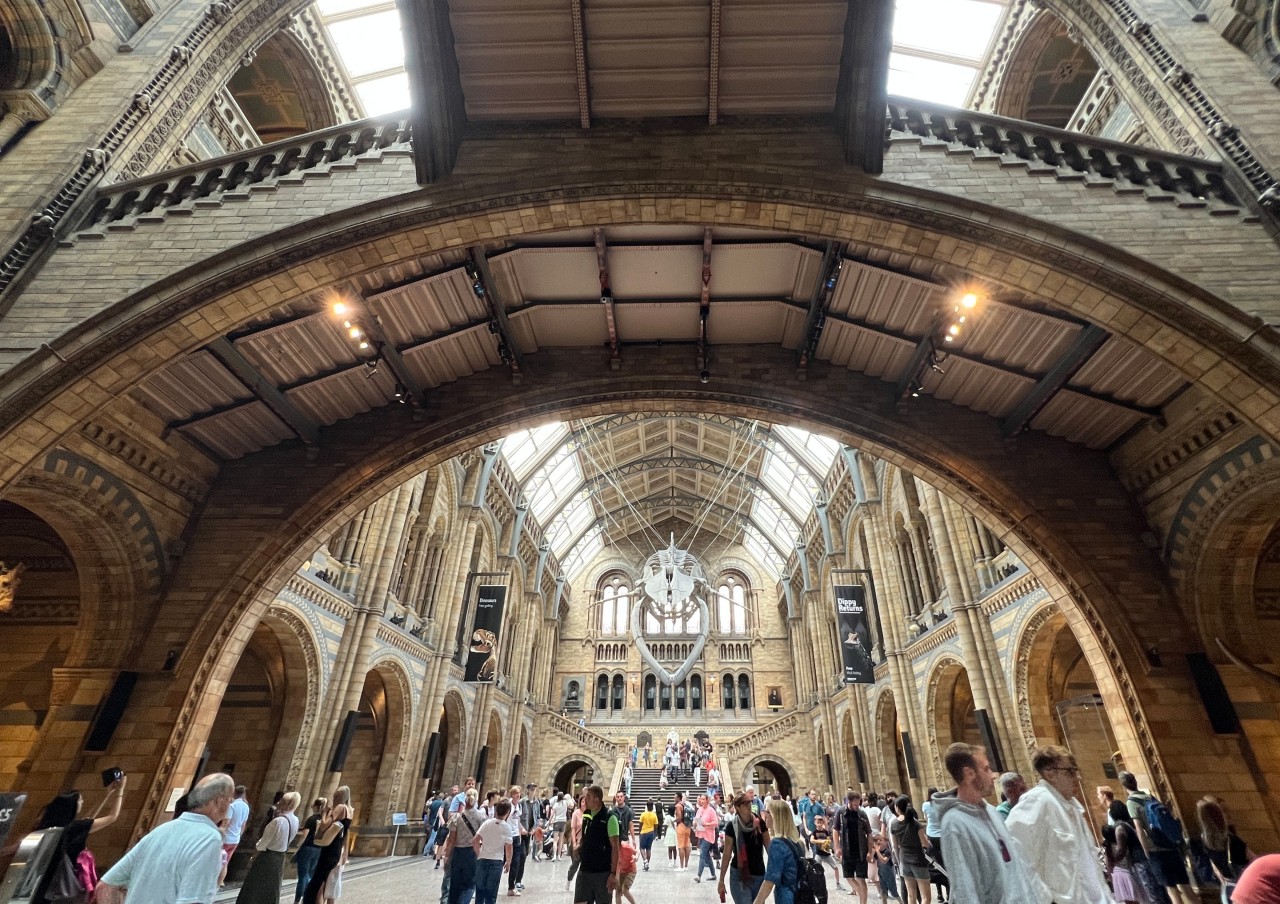
Museums, historic buildings and galleries already have the best ingredients: mind-boggling artefacts, meaningful stories and authentic spaces. Technology shouldn't try to compete with that.
Just to be frank? Far From Square creates fancy, creative magic using fancy, clever tech, so we’re going to say it’s important, but we’re also the first to admit that tech for tech’s sake, especially in calm and serene places such as a museum, is a no-no. It just doesn't work. At all.
If a visitor leaves a venue raving about a beautiful touchscreen interface but can't remember the exhibition, it fails. Technology should help us understand and explore the collection, not distract from it.
Imagine a simple AR experience revealing the original, vibrant colours of a faded Roman ruin. Or spatial audio letting you hear the bustling voices of the people who once lived during the plague. Or a touchscreen that lets someone ‘turn over’ a delicate artefact they could never touch in real life. When done right, the tech seamlessly becomes part of the interpretation.
Making the Hard Stuff Make Sense
We’ve worked with many people in the sector, and we have seen getting a museum right is a tough job. There are so many hats that need to be worn: project managers, administrator, communicator, educator, storyteller to name a few. So finding ways to hit that sweet spot is a skill.
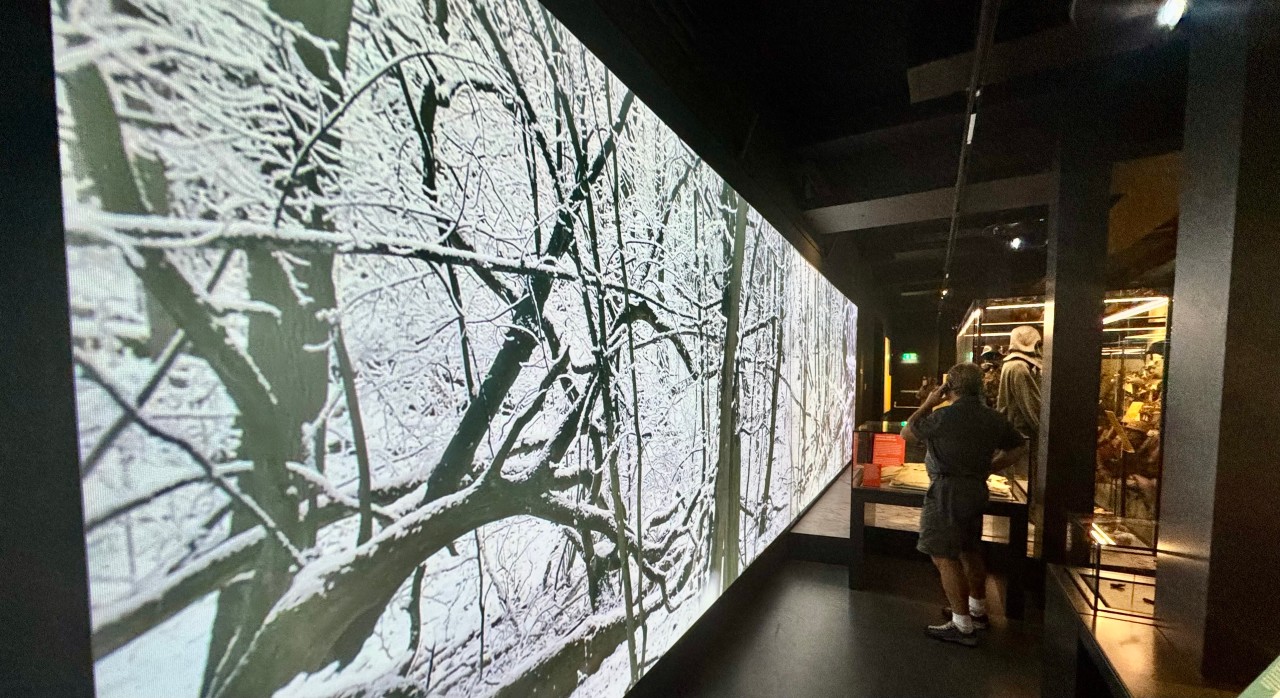
To an expert, a rusted eating utensil is bursting with story, history, personality and wonder. To a child, it’s a boring old brown spoon. It needs context, and immersive technology is fantastic at building that context.
Take the RWE Roman Villa project we made. A wonderful project we worked on, involving augmented reality to reconstruct a Roman villa discovered during the construction of a wind farm in Norfolk. Visitors could explore the reconstructed buildings, uncover digital artefacts and watch how daily life unfolded in the family. We worked very closely with the archaeological team and their evidence, and made sure the authenticity of the information was the starting point, then we added the magic. We saw first hand how it gave families the storytelling tools they needed to understand how a deep earth LiDAR scan of some foundation walls turned into a vibrant, mysterious history.
Another powerful example is a VR 360 educational programme created for the Holocaust Educational Trust. Working with survivors and subject-matter experts, required an incredibly sensitive and thoughtful approach each and every day. Filming took place at locations significant to everyone involved, combining their audio testimony with 360° footage and 3D CG models of artefacts, which were then placed on VR headsets for classrooms. The simple interaction allowed learners to explore the stories and items in a structured, education led way. It gave school children a profound sense of the scale of their surroundings, something only VR could achieve (short of physically being there) making these deeply moving human stories accessible to individuals who may never visit the camps personally.
Stopping the ‘Kids Play, Adults Wait’ Dynamic
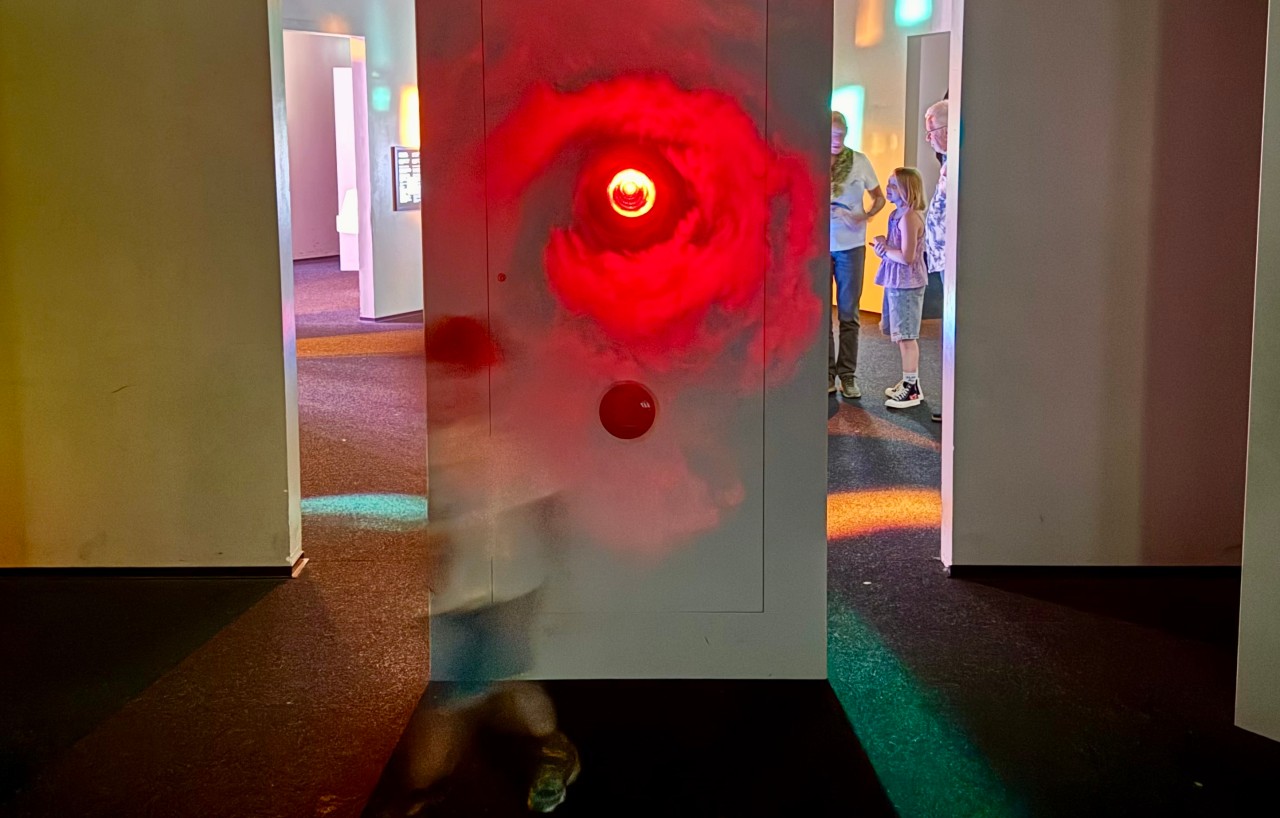
Most parents who have visited a museum know this scene: standing awkwardly, holding the bags or coats while the kids play a digital museum game for ten minutes. However, when done well, a child might be the first to run up to a screen, but the parent or grandparent is quickly pulled in.
Suddenly, they are solving a puzzle together, debating the answers and navigating the story as a team. Instead of adults silently reading placards while the kids wait, the whole family becomes active participants.
It also gives kids a sense of ownership over the visit, and if you’re a parent, you know exactly how important that is. They aren't just being dragged around a quiet building anymore; they are in charge.
Taking the Magic Home
Thoughtful technology doesn't have to turn off when you walk out of the exit doors either. It can help attractions build a genuine relationship with visitors before they arrive and long after they leave. How about taking one of the exhibits home in digital format?
A child might walk around the building collecting stamps and leave with a collection of digital artefacts they can revisit once they are away from the silence and busy crowds. It gives people a reason to remember, recommend and, ultimately, return.
Start With the Story, Not the Screen
For any organisation looking at immersive tech, ‘What tech should we buy?’ or ‘Do we need some VR here?’ - they aren't good questions.
The better question is: ‘How can we help make our visitors feel, understand or remember something?’
Once you know the feeling you're after, the format reveals itself. It could be a breathtaking VR headset experience.
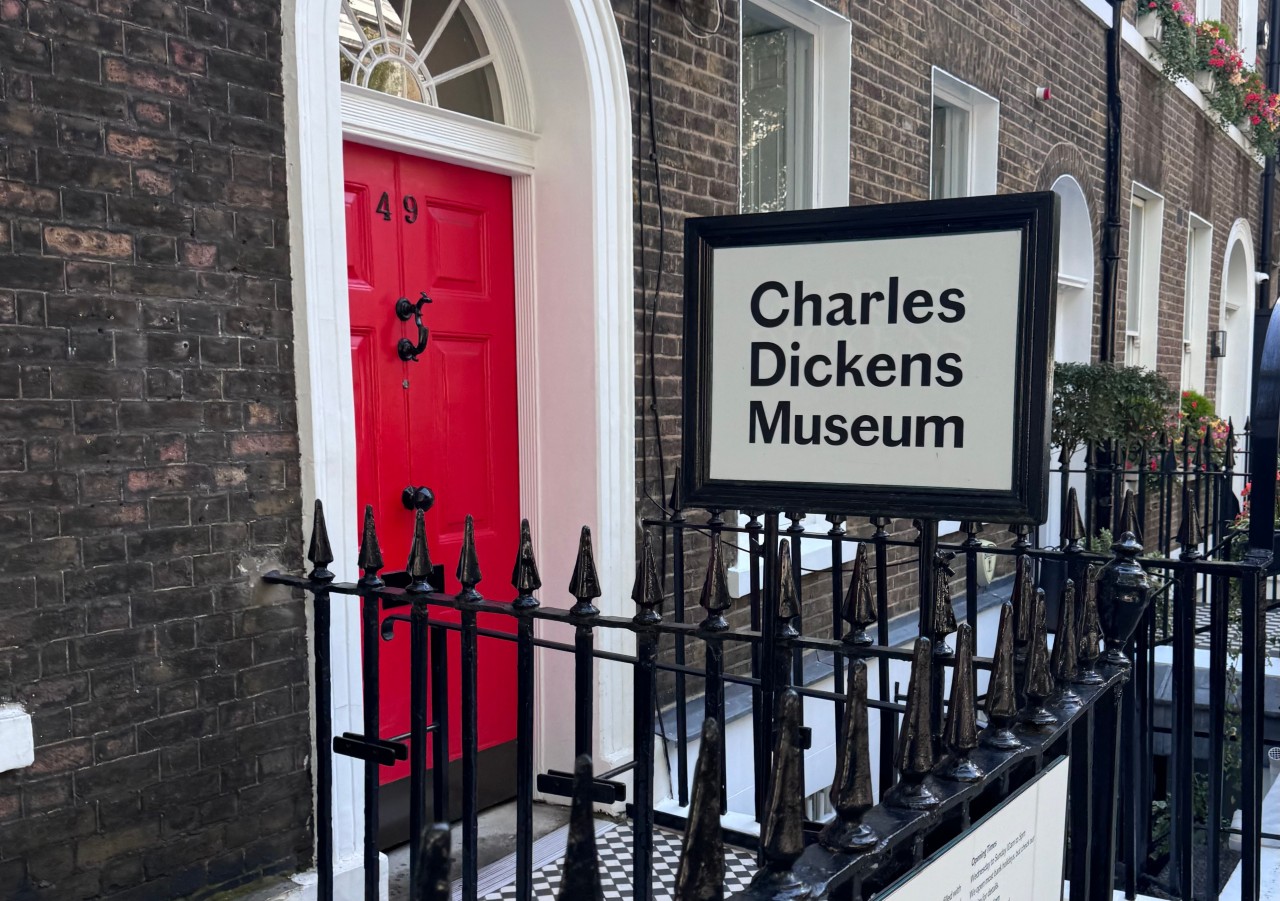
Maybe it's an interactive projection. Or maybe it’s just a great piece of audio, or a digital touchscreen.
We're not suggesting all museums should become theme parks, or that young visitors should spend the whole experience looking at a screen. But there's a reason glowing buttons and interactive displays draw people in. We are here to help you turn your exhibition into something that stays with everyone who interacts with them.
And it isn't the technology.
Ready to explore an idea?
If you’ve got a brief in mind – or even just a challenge that could benefit from a more interactive or immersive approach – we’re happy to talk it through.
You don’t need a finished concept. We can help shape the idea, define what’s possible and find the right direction together.