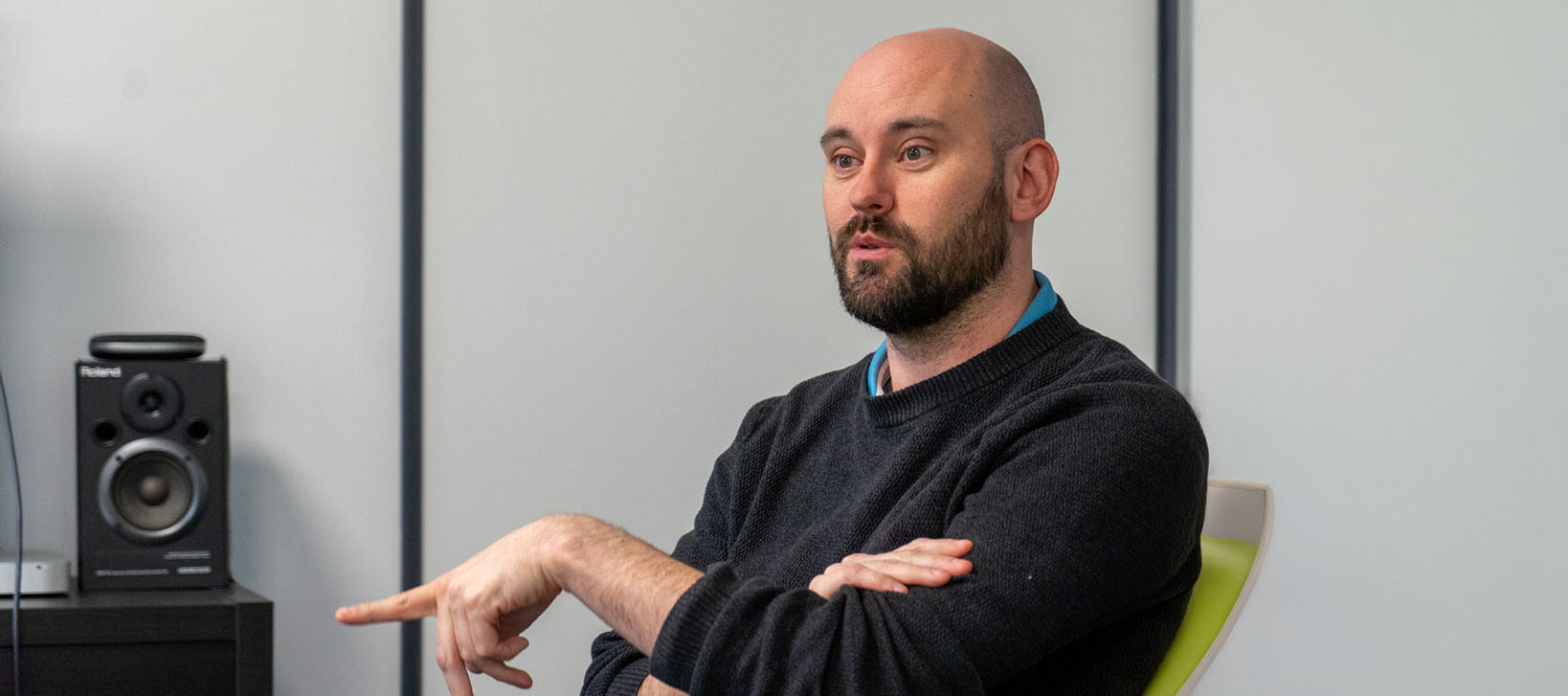
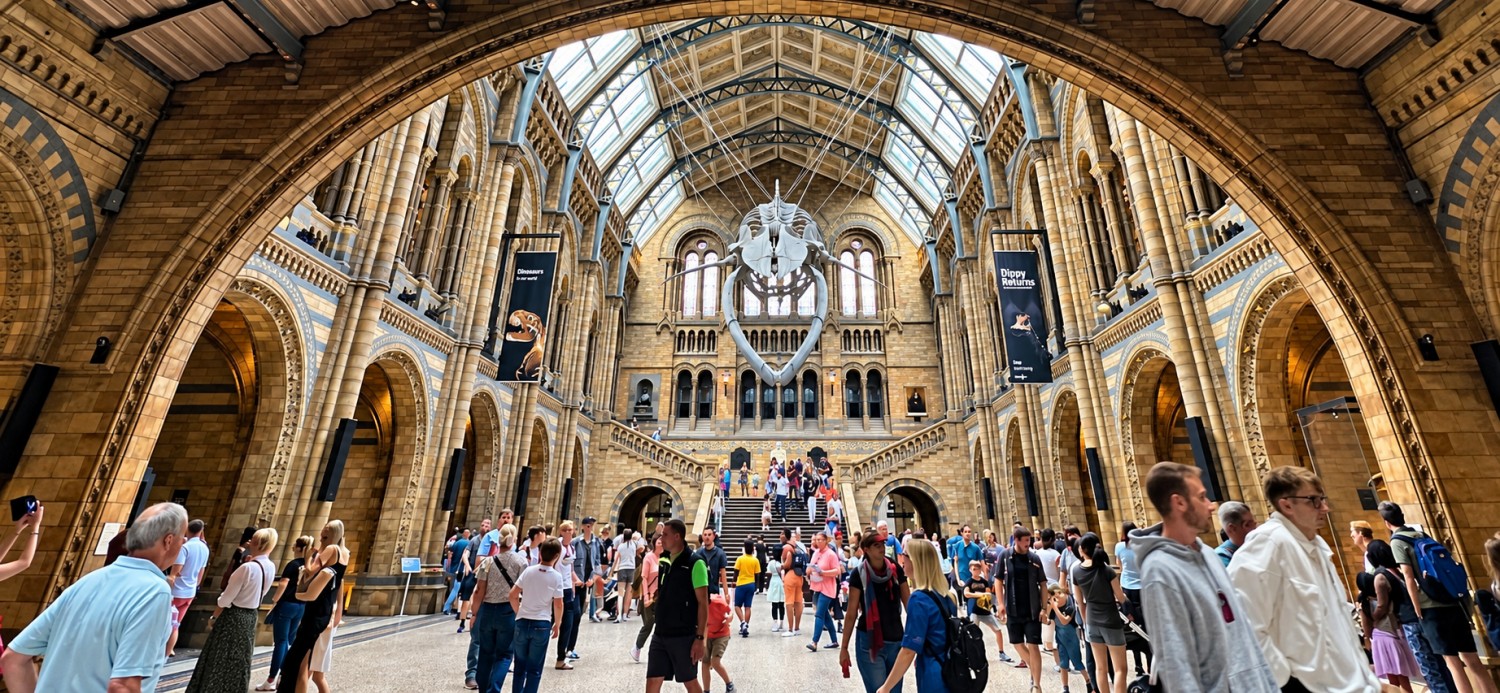
To explore that relationship, Far From Square’s Creative Director Jon Rogers spoke with Dr Laura Crossley, a museums and arts consultant with extensive experience in audience development, visitor experience, interpretation, consultation and evaluation.
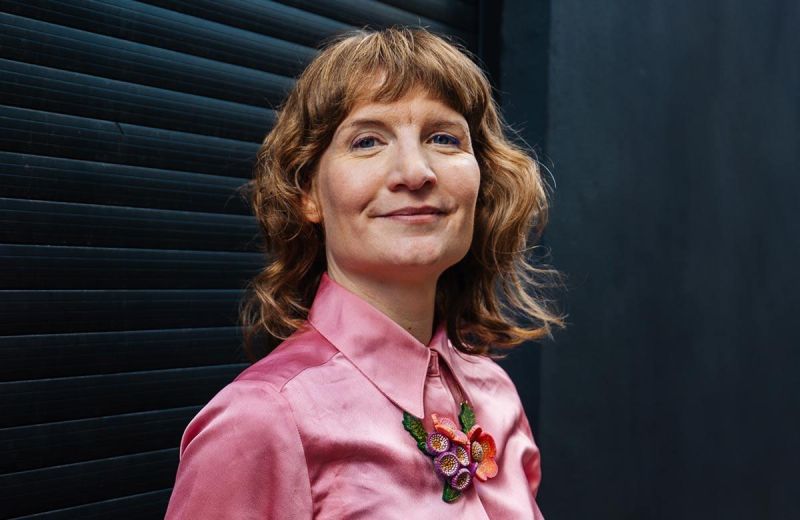
Through Laura Crossley Consulting, she helps museums and arts organisations clarify their purpose, understand who they are for and create strategies that connect the two. She is also launching Culture Bloom, supporting museums, charities and other mission-led organisations to build healthier workplaces and prevent burnout.
Their conversation ranged from Laura's accidental route into museums to the emotional power of objects, the importance of understanding audiences and why the best immersive experiences begin with a story rather than a headset.
Jon: So Dr Crossley! How did you first become involved in museums and heritage? Was it always the plan, if there is such a thing!
Laura: Not at all. When I was growing up, we did not really visit museums apart from school trips. My family went to football matches instead. Love football, as you know. I did not know that working in museums was something one could do.
I originally went to start a theater degree but after a year I realised it was not right for me. I later switched to history. After university, I worked in administration and then public engagement for the British Science Association. I had also volunteered with the Young Archaeologists' Club, and eventually I began volunteering at Manchester Museum. That led me towards a master's in museum studies.
There was never a grand plan. It simply turned out to be the first professional world where I thought, “I understand this, I am good at it and I really like it.” I was interested in history, but very quickly my focus became community, learning and access. Museums should be relevant and welcoming to everyone who wants to use them.
Jon: Is that sense of welcome especially important for people who may feel museums are not for them?
Laura: Yes. People sometimes need an invitation. I can still enter an art gallery and feel slightly intimidated because art is not my specialist subject. There can appear to be rules about what you are meant to understand or how you are meant to behave, even when those rules do not really exist.
Over time, I have become more comfortable simply looking at something and deciding what it means to me. You can like it or dislike it. You do not have to understand everything. Museums and galleries can help people feel that permission from the moment they arrive.
Jon: After so many years in the sector, what still excites you about museums?
Laura: I think we sometimes overlook the value of a simple, enjoyable visit somewhere! Museums can deliver transformational community programmes and work with people in very vulnerable circumstances, and that can genuinely change lives. But simply, if a family visits for two hours, has a lovely time together and goes home talking about it, that matters too. In busy and often stressful lives, creating that shared experience is quietly radical.
Then there is the connection with people from the past. I am less interested in an object purely as material culture than I am in the person who held it, used it or made it. What was their life like? Museums can bring us physically close to those lives.
Jon: How has the role of technology in museums changed?
Laura: Massively. Museums have to grapple with technology much more now, although funding can make that difficult. They cannot compete with the budgets of major gaming studios or entertainment companies, and they should not need to.
The important thing is to provide different ways for people to engage. Some visitors will not want to use technology, and that is completely valid. Others may connect with a story in a way they would never have done without it. If technology enables that connection, it has achieved something valuable before budget.
Jon: We always say - it doesn't have to be difficult and complex.
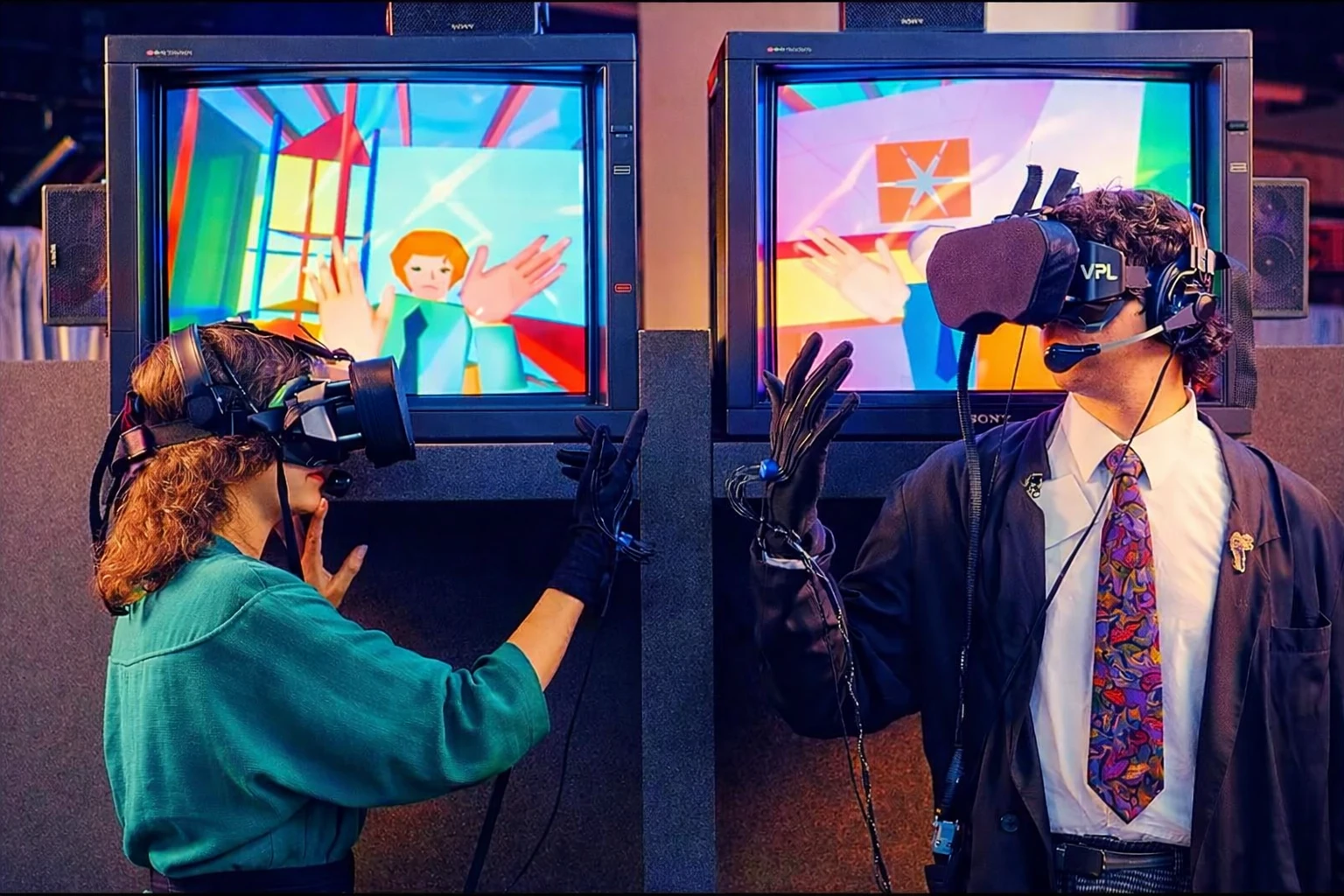
Laura: Yeh, it can be very simple. Someone who is deeply interested in a subject might choose to access more information on their phone. A family might collect parts of a story during a visit and return to them together at home. At the other end of the scale, an immersive experience might place somebody inside a moment or viewpoint that would otherwise be impossible to access.
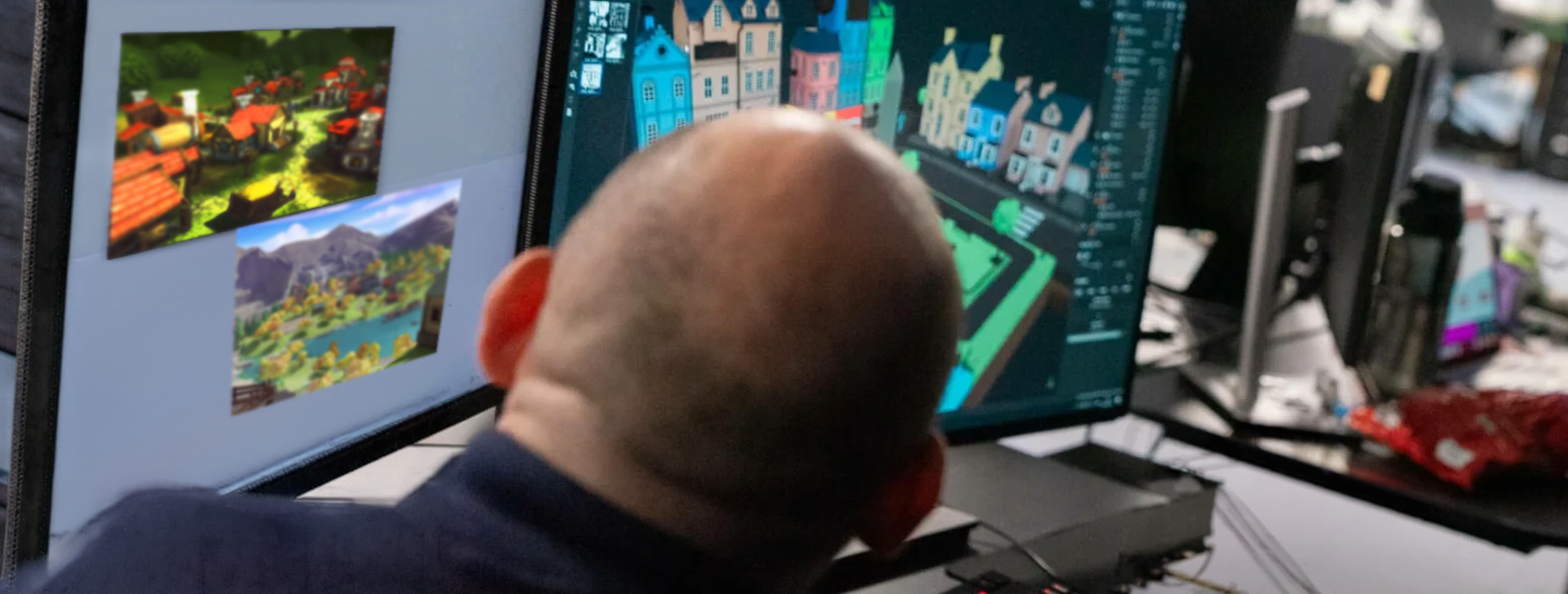
I would love to see museums work more closely with creative businesses. Museums understand their collections, stories and audiences. Creative technology specialists understand how to translate those things into engaging experiences. Bringing that expertise together can be very powerful.
Jon: We sometimes have clients ask for “a VR” or “some AR” or…whatever piece of tech they’ve seen somewhere, before the purpose has been fully understood. We feel the conversation should be "What is the story?” Would you agree?
Laura: Absolutely, start with the question, not the solution.
Museums can sometimes look at a piece of technology another organisation has used and think, “We should have one of those.” But first we need to ask: what story are we trying to tell? Who are our audiences? How do they want or need to engage? What will make this experience accessible, exciting and meaningful for them?
Only then should we decide which technology, if any, can help.
Jon: Exactly. We did two very different VR experiences for The Football Museum and one for West Ham. So both football aligned, which I know you have a love for, and have worked in the footballing world. Both used the hardware but had a different story to tell.
Laura: 100%. A football museum might use VR to explore what it feels like to be a professional player or to place a visitor in the referee's viewpoint during a disputed moment. In those cases, the technology has a clear purpose: it gives the visitor a perspective they could not otherwise experience.
That sense of empathy is central to museums. Whether the subject is history, contemporary life, people or culture, technology can help visitors feel present within a story. It can support connection and belonging rather than simply adding spectacle.
Jon: What would you say to people concerned that technology could distract from the collection or turn a museum into entertainment?
Laura: Those concerns are understandable, and technology should never be included simply because it is available.
The answer is choice and a light touch. Some people want an entirely analogue visit because they spend their daily lives looking at screens. In a historic garden, for example, visitors may want time away from digital distractions. That should be respected.
But another visitor may want a more personalised route, additional interpretation or a playful way to engage their children. Technology can help create those options without dictating the whole experience. It should feel like part of the visit, not an interruption to it.
Personalisation is increasingly important. A teenager's route into a football collection may begin in 2010 rather than 1966. If the museum helps them connect through something familiar, that interest may lead them backwards through the collection and open up stories that initially felt remote.
Play matters too. Children may pass a beautifully presented case of Roman objects because they have spotted a button to press or a handle to turn. That does not mean the objects have failed. It means children often enter stories through action and curiosity. The opportunity is to use that instinct to lead them towards the collection, not away from it.
Jon: Where else could immersive and digital experiences add value?
Laura: Access is a major opportunity. A museum website can become an experience in its own right rather than simply providing opening times and visitor information. Hybrid visits may become increasingly important, allowing people who cannot be physically present to explore places, collections and stories in richer ways.
Technology can also connect people beyond the building. Imagine visiting a museum or historic place virtually and sharing that space with somebody in another country. Or bringing an artefact into your home through augmented reality, accompanied by a voice or story that gives it context. Museums are social spaces, and digital experiences can extend that social connection rather than reduce it.
The key is still to design around people. Technology is most useful when it removes a barrier, creates empathy, supports conversation or gives someone a meaningful perspective they could not otherwise have.
Jon: What can the museum community and, Far From Square learn from one another?
Laura: We probably begin in similar places. We both think about the question, the audience and the story before choosing the form.
In museums, we might develop an interpretation plan: what objects do we have, which stories could they tell, whose perspective are we presenting and what do we want visitors to take away? Objects do not communicate one fixed story by themselves. The same object can be approached from many angles, so every exhibition involves thoughtful choices about its overarching narrative and supporting themes.
Museums can share that depth of knowledge about collections, context and audiences. Creative studios can bring different methods for prototyping, testing and finding the right practical solution. That can be particularly valuable in a sector where funding is often short-term and experimentation can feel risky.
Partnership makes that risk more manageable. Instead of beginning with a large, fixed idea, museums and studios can ask what a small first version might look like, test it with audiences and learn from it. The right partner should understand the museum's responsibilities as well as the possibilities of the technology.
That is where working with a studio such as Far From Square can be genuinely useful. The team understands that a museum does not need technology imposed upon it. It needs a collaborative partner who will listen to its experts, respect its audiences and collections, and help find the clearest way to bring a story to life.
Thank you for your time, Laura.
Laura: Thanks Jon!
A thoughtful way forward
Museums do not need technology to justify their importance. Their collections, spaces, people and stories already have enormous value. By using the opportunity with care: to welcome somebody who previously felt excluded, reveal a viewpoint they could never otherwise see, help a family continue a conversation after leaving, or bring a distant person into a shared cultural space.
As Laura puts it, museums are unusual organisations because they are trying to remain here forever. That means preserving what makes them special while continuing to evolve. When museum knowledge and creative technology expertise meet around a clear story and a real audience need, the result can feel less like technology added to a museum and more like another door into everything the museum already does so well.
--
Dr Laura Crossley is a museums and arts consultant specialising in audience development, visitor experience, interpretation, consultation and evaluation. Find out more through Dr Laura Crossley Consulting and Culture Bloom http://lauracrossley.com/